Trust Your Gut Betting Odds & EV Guide
Think in multi-ball outcomes, rewritten wheels, and expected value—not single-ball superstition.
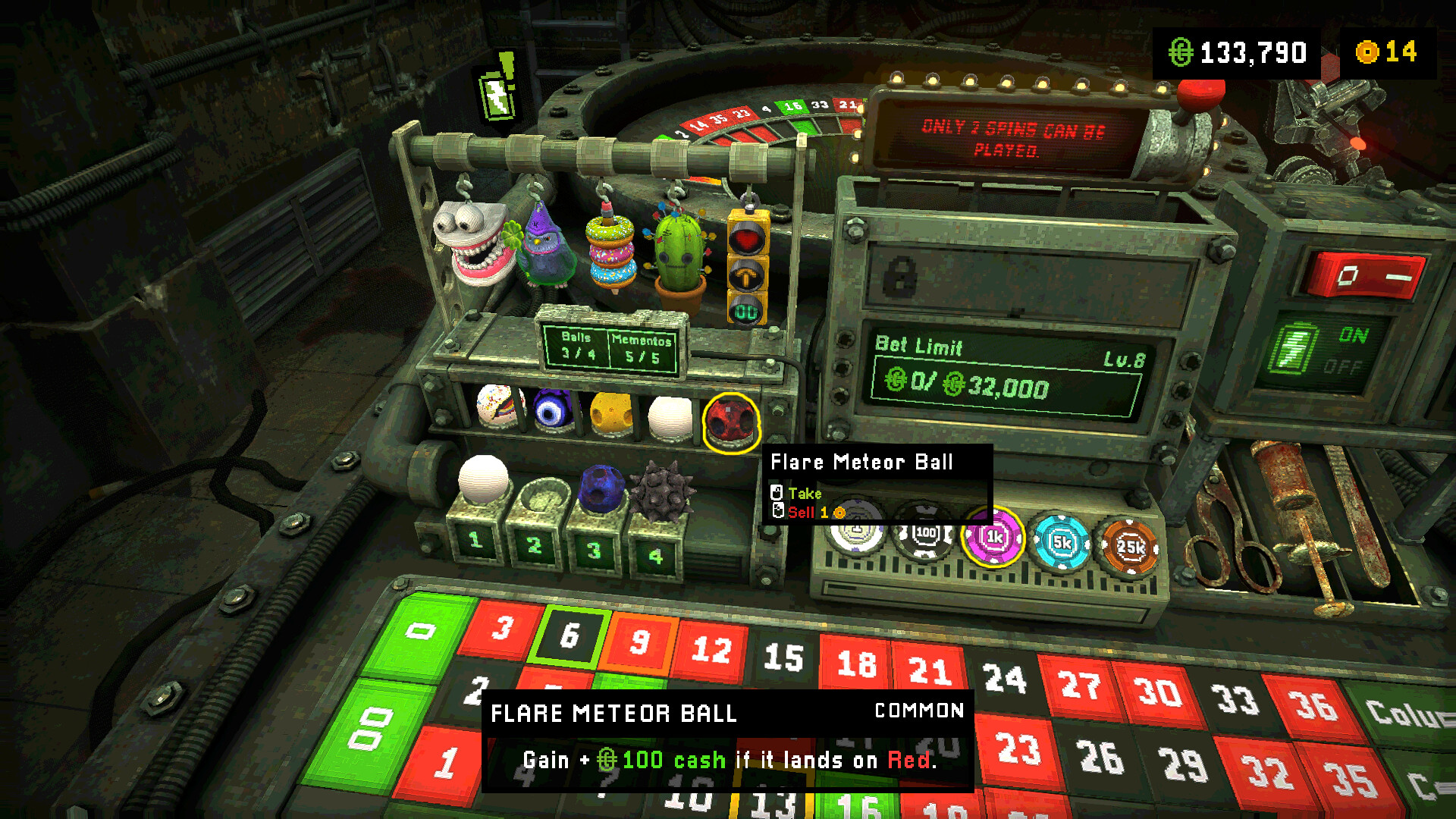
This Odds Guide is a practical tool for Trust Your Gut players who want cleaner bets under multi-ball rules. It will not spit a magic number for every patched tooltip. It will teach you how to reason about expected value (EV) when several balls share a payout, when mementos rewrite colors and bands, and when Offers rebalance what a hit is worth.
Use it beside the Build Checklist, Best Builds, and your character kit.
Baseline: forget single-ball intuition
In ordinary roulette, one ball either hits red or it doesn’t. In Trust Your Gut you launch multiple balls into one combined scoring event. After the demo’s rules update, each additional ball increases your multiplier. That means:
- More balls raise both hit opportunities for outside-style conditions and payoff scaling.
- A “small” outside bet can outscale a lonely inside bet when four balls cooperate.
- Empty or conflicting balls still occupy the multiplier story—junk fillers have a cost.
When you estimate a line, ask how many balls are likely to contribute, not whether one imaginary ball feels lucky.
Outside bets (default Campaign language)
Common outsides adapted to multi-ball play include color (red/black), parity (even/odd), bands (LOW 1–18 / HIGH), dozens, and columns. Early meta favors these because they tolerate variance while you assemble paint, luck masks, and slot expands.
EV questions for outsides:
- How many balls can satisfy this condition on the current wheel?
- Did paint or luck mementos increase that count since last spin?
- Does the payout still justify the Bet Limit risk after Offers?
- If half the balls miss, do the rest still clear the Host’s target with multipliers?
If paint turned twelve pockets red and you are betting red with five balls, your mental model must update—static “48.6%” folklore is lying to you.
Inside bets (specialists and Offers)
Streets, splits, corners, and single numbers need either:
- Dedicated ball/memento support, or
- An Offer that rebalances their payouts into sanity.
Without those, insides are highlight bait. With those, they can become the correct greedy line—especially in Endless. Re-run EV after every Offer; insides are where patch and Offer text matter most.
Paint, luck, and “fake odds”
Mementos and balls invent new odds:
- Paint balls recolor pockets → color hit rates climb for the painted side.
- Luck / band bias (LOW-leaning masks in public talk) → band outsides improve.
- Pufferfish-style bounce → extra chances when a trigger color appears, raising effective attempts.
- Cashback → softens variance by returning chips on triggers, improving bankroll EV even when raw hit EV is thin.
You do not need exact percentages to act. Directional updates are enough: “board is redder than yesterday; red EV up; black EV down unless bounce/cashback compensates.”
Multipliers and false EV
Huge multipliers on a bad hit rate are lottery tickets. True EV cares about probability × payout × ball contribution. Buy coverage first (Mementos Tier List, Balls Tier List), then payoff. Eric’s Health Insurance (Eric Matthews) improves survival EV, not chip EV—don’t confuse the two.
Bet Limits as hidden odds
Bet Limits constrain how much you can stake. That changes strategy:
- A high-EV tiny bet that cannot meet the Host’s target is still a losing plan for the day.
- Sometimes a slightly worse EV line that can actually clear the target is correct.
- All-in addiction ignores the limit system and Showdown spikes.
Frame daily decisions as target-clearing EV, not casino purity.
Showdowns and broken models
Showdowns exist to void your spreadsheet. When text hits:
- Re-read legal bets and modifiers.
- Drop lines that no longer compute.
- Prefer flexible outsides and insurance tools.
- Spend the buffer (Health Insurance, recharge) deliberately.
The odds guide’s real skill is willingness to throw out yesterday’s model.
Worked reasoning pattern (no fake numbers)
Suppose you hold three balls, light red paint, and a red outside:
- Step 1: Count red-capable pockets after paint.
- Step 2: Guess how many of your three balls are likely to touch red-ish outcomes.
- Step 3: Factor shared multiplier from ball count.
- Step 4: Compare required target vs realistic payout.
- Step 5: If short, either add a fourth feeder ball, deepen paint, or temporarily bet a wider outside—not a random inside.
If Pufferfish and black cashback appear instead, restart the pattern for black. Stubbornness is not EV.
Linking odds to builds
- Red Factory — odds climb as paint spreads; keep betting the manufactured color.
- Black Bounce — bounce raises attempt count; cashback raises bankroll EV.
- LOW Bias — luck masks justify committing the band; don’t hedge forever.
- Slot Storm — more balls raise multiplier; only keep feeders that share one story.
Details live on Best Builds.
Practice drills
- After every Market buy, say aloud one sentence: “This changes hit rate / payout / attempts / insurance.”
- Decline one tempting inside per day unless Offer-supported.
- On a Showdown day, write the new legal model before spinning.
- Compare notes with the Build Checklist so odds and tray stay aligned.
Related pages
Trust Your Gut rewards players who update the math as fast as the wheel updates its colors. Use this guide as that update ritual.
Frequently Asked Questions
Quick answers for Campaign nights and Endless runs.
Does each ball have its own separate payout?
Trust Your Gut uses multi-ball spins feeding a combined payout structure, with additional balls increasing multiplier after the demo rules update. Always confirm the current UI breakdown in your build.
Should I memorize classic roulette percentages?
Only as a starting intuition. Paint, luck mementos, Offers, and ball abilities rewrite effective odds—re-estimate after board changes.
When are inside bets correct?
When specialists or Offers make their payouts and hit rates coherent. Otherwise prefer outsides while assembling coverage.
How do Showdowns affect EV?
They can invalidate your model entirely. Re-read modifiers, drop broken lines, and lean on insurance tools before forcing yesterday’s bet.