Offers and the Market in Trust Your Gut
Spend tokens like an adjuster, read every Offer rewrite, and leave the Market with a thesis — not a souvenir shelf.
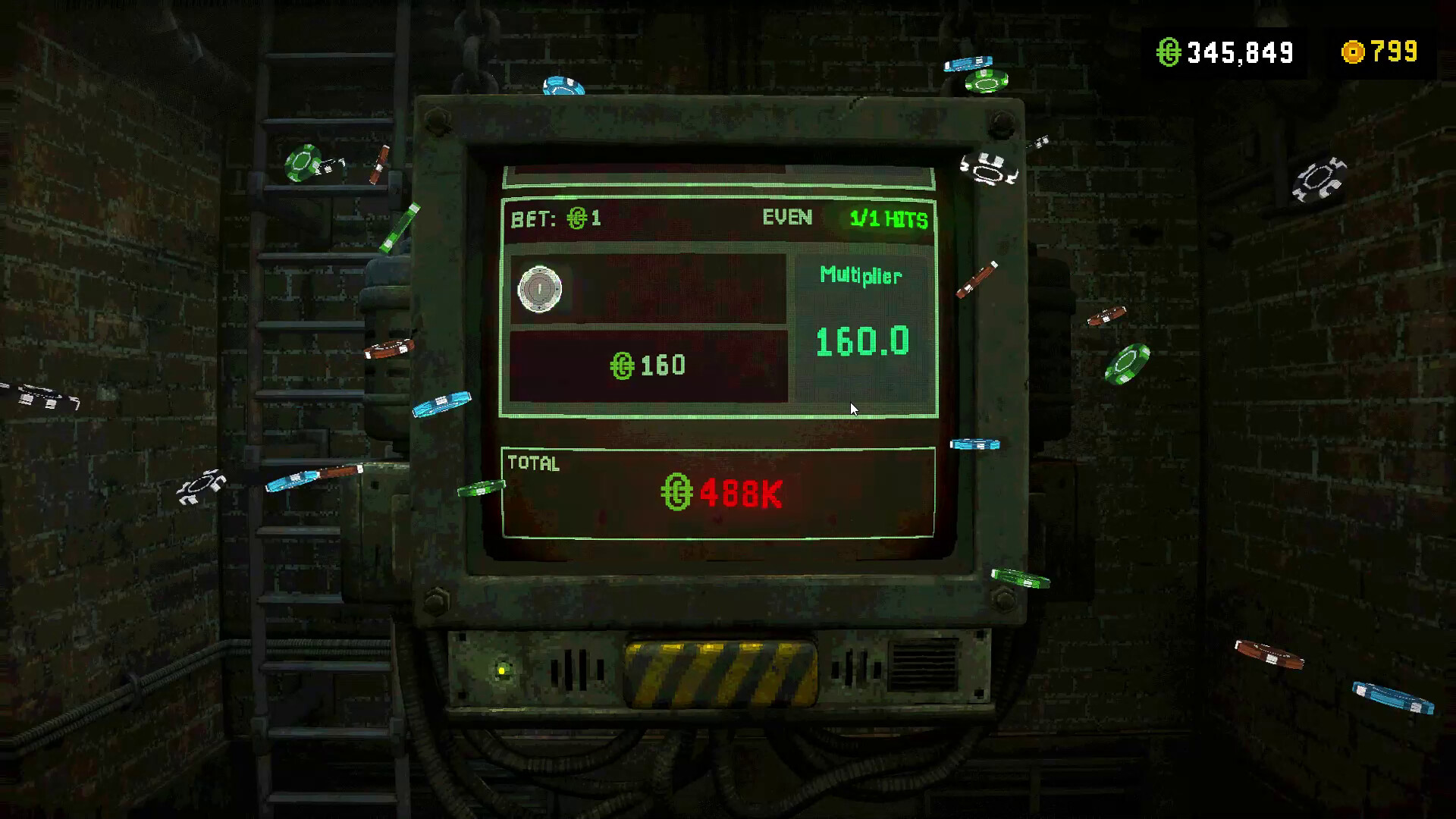
The Market and Offers are where Trust Your Gut stops being “spin and hope” and becomes a build craft game. Tokens buy mementos and balls. Offers rewrite rules mid-run. Together they decide whether your multi-ball tray still matches the bets you place when the Host raises tomorrow’s cash target.
This guide assumes you already know the Day loop from Getting Started and the stake basics in Betting Strategy. Use the Build Checklist before you lock a shopping spree, and keep Showdowns in mind whenever the Market feels optional — chaos days punish empty wallets.
Where tokens come from
A typical Campaign day offers roughly four rounds. Clear the Host’s cash target before you burn every round and you earn +2 tokens per remaining round. That early-finish bonus is the Market’s oxygen. Players who always “play out” four spins for a little extra cash often arrive at Day 3 with a weak shelf and no Showdown buffer.
Token economy rules of thumb:
- Early finish > vanity cash when the target is already safe and Bet Limits would force awkward overbets.
- Bank a reserve before days that smell like Showdowns or spiked targets.
- Do not treat tokens as score. They exist to buy coherence: paint, bias, cashback, slots, insurance — then payoff.
Demo veterans who remember thinner shops should expect the full launch pool: 104 mementos and 49 balls. More SKUs means more traps and more perfect fits. Read text every time.
How the Market feels in a run
After you clear (or fail toward) a day’s demand, the Market presents purchasable mementos and balls priced in tokens. Your job is not to empty the shelf. Your job is to advance one thesis:
- Red-majority paint engines
- Black bounce / cashback lines (community demos often highlight Pufferfish here)
- LOW/HIGH band bias packages
- Slot-count multipliers that still need allied balls
- Survival hybrids before a Showdown spike
Cross-check priorities against the Tier List, then the focused Mementos, Balls, and Builds pages. Tier advice is directional — the live Offer board can force a pivot.
Memento shopping
Mementos bend colors, numbers, payouts, multipliers, luck masks, and recharge rules. Buy order that survives most Campaigns:
- Coverage — tools that make your preferred outsides actually hit more often (paint, bias, bounce).
- Slots / feeders — extra ball capacity only if you can fill seats with allies.
- Insurance — cashback, recharge, miss softener (on top of character starters like Eric’s Health Insurance).
- Payoff — pure multipliers and exotic payout toys once the hit rate is real.
Clutter is the silent wipe. Five mementos that argue lose to two that share a sentence. If a souvenir only “might” sync later, leave it — another Market is coming unless you just wiped.
Ball shopping
Balls are active personalities on the wheel. Each seat should answer: what role, for which thesis? Paint balls want color bets. Bounce/cashback balls want the color or band they amplify. Specialist insides want a board that already supports narrow hits. Empty greed — maxing seats with random toys — dilutes multi-ball evaluation.
When the Market offers a strong ball that fights your current bets, either pivot the bet line or skip the ball. Do not half-commit.
Offers: rule rewrites with teeth
Offers are not coupons. They change how the show works: colors, payouts, constraints, chaos hooks, or scoring quirks. Accepting blindly is one of the common mistakes that ends promising runs.
Accept when
- The rewrite amplifies your thesis (more red weight while you already spam red/black engines).
- You gain tempo (extra economy, softer targets, or tools that fund the next Market).
- The downside lands on a bet type you already abandoned.
- You have a Save Anytime snapshot and understand the paragraph fully (see Controls for comfort setup).
Decline when
- Text fights your seated balls (black bounce package meets a forced red-only gimmick with no conversion tool).
- The Offer adds complexity you cannot evaluate under fatigue.
- You are token-broke heading into a Showdown and the Offer spends future flexibility for flashy now.
- You did not finish reading — if any clause is fuzzy, decline or save-scum ethically only for literacy, not for RNG.
After any accepted Offer, re-read open bets and tray roles. The Build Checklist Offer gate exists for this moment: mark which checklist sections broke, then fix thesis, sells, or bet lines before the next spin.
Day-phase Market priorities
| Phase | Spend focus | Hold back for |
|---|---|---|
| Days 1–3 | Thesis seed + one clear ball identity | Small Showdown buffer |
| Days 4–6 | Coverage depth, cashback, slots if filled | Spike days / Offers that need buy-in |
| Days 7–10 | Payoff polish, Showdown pivots | Don’t brick economy on novelty |
| Endless | Scaling loops, cut souvenirs | Long-run stability over novelty |
Campaign pressure rises across 10 days. Early Markets teach; late Markets finish the engine. Endless Mode (see Endless Mode) stretches the same shop logic without the ten-day narrative ceiling — still punish clutter.
Character and starter interaction
Eric Matthews starts with Health Insurance: the first missed daily target grants +1 extra round instead of an immediate wipe. That buffer is Market time. Use the recovery round to finish the target, protect the token plan, and avoid panic-buying whatever the shelf flashes. Other characters (see Characters and Players) change openers; their starters still want the same shopping discipline — coverage before fireworks.
Showdowns and the “empty wallet” problem
Showdowns inject chaos. Markets before those days should leave:
- Enough tokens to grab an emergency insurance piece if it appears
- A tray that can pivot if rules spike
- Bet Limits headroom so you are not all-in on a mutated wheel
If you spent every token on payoff multipliers with no hit-rate tools, Showdowns feel unfair. They are often just unpaid homework.
Practical shopping script (60 seconds)
- Name the thesis in one sentence.
- Scan balls first — roles, not vibes.
- Scan mementos for coverage → slots → insurance → payoff.
- Check token reserve vs upcoming threat (target spike / Showdown).
- Buy at most what preserves coherence; leave shiny traps.
- If an Offer appears, read fully, map to thesis, accept or decline, then re-audit bets.
Related reading
- Betting Strategy — stake sizing and outside engines that Markets should feed
- Showdowns — why reserves matter
- Tier List — early priority signals
- Getting Started — Day 1 token habits
- Build Checklist — pre-spin audit after shopping
The Host wants you dazzled by shelves and contracts. Win by buying fewer things that agree — and by treating every Offer as a rules patch you must patch your brain to match.
Frequently Asked Questions
Quick answers for Campaign nights and Endless runs.
How do I earn Market tokens quickly?
Clear the Host’s cash target before using every round. Early finishes award +2 tokens per remaining round — often better than forcing extra spins.
Should I always accept Offers?
No. Accept when the rewrite boosts your thesis or economy; decline when it fights seated balls, unread text, or Showdown prep.
What should I buy first at the Market?
Coverage and a clear ball identity first, then slots you can fill, then insurance, then pure payoff multipliers.
How many mementos and balls can appear across runs?
The full launch pool includes 104 mementos and 49 balls. Individual Markets show a subset — read each offering’s text.